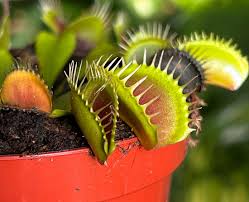

Nature is under pressure like never before. From deforestation and pollution to climate change, ecosystems across the world are struggling to stay in balance.
But here’s the good news: technology is now one of the strongest allies in protecting the environment.
From mobile apps to satellites, anyone — even individuals — can use modern tools to support and restore nature.
Here’s how technology can help save ecosystems, and how you can be part of the solution.
1. Using Mobile Apps to Identify Plants & Animals
Today, apps can help people understand and protect biodiversity.
Examples include:
iNaturalist – Identify species by taking photos
PlantSnap – Recognize plants instantly
Merlin Bird ID – Identify birds by sound
By identifying and recording local wildlife, you help scientists track:
Endangered species
Invasive species
Migration patterns
Habitat changes
Your phone becomes a portable ecosystem monitoring tool.

2. Satellite Technology Helps Monitor the Earth
Satellites play a major role in protecting nature. They can track:
Deforestation
Ocean pollution
Melting glaciers
Illegal mining
Forest fires
Organizations use this data to create conservation strategies quickly.
You can also access satellite images online to learn how landscapes are changing in your region.

3. Drones Support Wildlife Protection
Drones are now being used to:
Track animal movements
Locate injured or sick animals
Detect poaching activities
Monitor forest health
Map vegetation
Conservationists can observe large areas without disturbing wildlife, which makes drones an extremely powerful tool.

4. Smart Sensors Protect Natural Resources
Sensors placed in forests, rivers, or farms can collect real-time data such as:
Water quality
Soil moisture
Air pollution
Temperature and humidity
CO₂ levels
This technology helps detect problems early, such as:
Dying coral reefs
Toxic water pollution
Dangerous forest conditions before a fire starts
Smart sensors allow humans to react before an ecosystem collapses.

5. AI and Machine Learning to Predict Environmental Issues
Artificial intelligence can analyze huge amounts of data and predict:
Flood risks
Droughts
Disease outbreaks in plants
Animal migration changes
Areas that need urgent protection
AI is now used to reforest areas faster by planning where and when to plant trees for the best survival rate.

6. Waste Management Technology
You can use technology to reduce pollution:
Recycling apps show you proper waste sorting
Smart bins identify materials automatically
Machines convert organic waste into fertilizer
Apps track your carbon footprint
Small actions by individuals can reduce the amount of trash entering nature.
7. Renewable Energy to Reduce Environmental Damage
Switching to clean energy helps ecosystems survive.
Technology like:
Solar panels
Wind turbines
Hydroelectric systems
Solar-powered pumps
Energy-efficient appliances
reduces carbon emissions and pollution.
Even using solar chargers for your phone helps reduce power grid demand.

8. Social Media Helps Spread Environmental Awareness
You can use social media to:
Teach people about endangered animals
Share videos about planting trees
Promote local conservation projects
Correct myths about nature
Awareness leads to action — and technology helps information travel fast.

9. How YOU Can Use Technology to Help Nature Today
Here are simple actions you can start right now:
Use apps to identify plants and animals around you
Track pollution levels in your city
Share conservation posts on social media
Reduce electricity use with smart devices
Support organizations using drones and AI for conservation
Use GPS apps to explore nature without getting lost
Join online tree-planting programs
Technology is not the enemy of nature — when used correctly, it becomes the protector of nature.